Catch expensive failures before the money is spent.
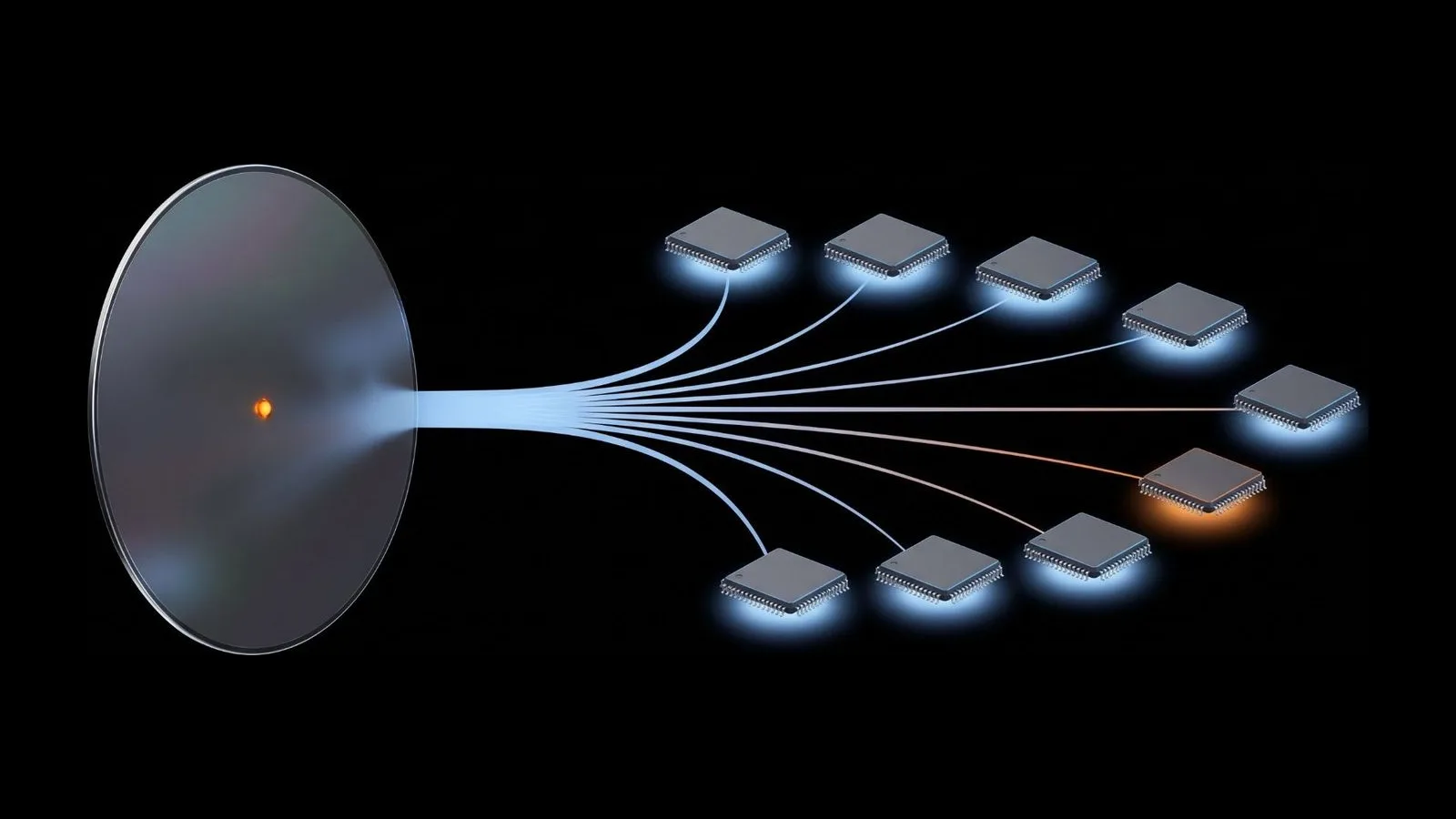
A predictive model that forecasts finished-device yield and flags the upstream causes of expensive failures.
The problem
Expensive failures in finished devices are found only after the full production chain has already spent the money.
What we built
A predictive model that forecasts finished-device yield and flags the upstream causes of expensive failures, monitored and maintained on a routine cadence.
Who it's for
Producers who grow crystal and also build devices from it. For single crystal producers, it shows the value your customers get when your substrate data drives their yield models.
When material supply is fixed, chasing a small yield gain by rejecting more material can starve the line. That's why yield modeling pairs naturally with getting more good crystal out of each run. Read about Auxein.
What carries over to your process
The modeling and data-integration approach carries over. The specific model is rebuilt for each product line.
What it takes
Your existing process data and some of an engineer's time. You set success criteria in writing before we start, and you keep every deliverable.
Why not build it in-house?
Forecasting a finished-device outcome means joining data that was never meant to be joined, from the furnace to the finished part, and keeping the model honest as the process moves. That is the work.
Tell us about one furnace.
What you grow, what you already measure, and where runs go wrong. No deck, no preparation, no commitment.
Ask us about yield modeling